20 June 2026
Fire Doors in Spain: The CTE and Documento Básico SI
Spain's Código Técnico de la Edificación sets fire safety requirements through its Documento Básico SI. Here's how the compartmentation and door provisions work, and how EN classification fits in.
Fire safety requirements for buildings in Spain sit within the Código Técnico de la Edificación (CTE), the Technical Building Code approved under Royal Decree 314/2006, which sets out the basic safety and habitability requirements established by Spain's Building Standards Act (LOE, Ley 38/1999). Within the CTE, the Documento Básico SI - Seguridad en caso de Incendio (Basic Document on Safety in Case of Fire) is the specific document setting out fire safety requirements and the accepted procedures for demonstrating compliance, and it is the DB-SI that governs compartmentation, fire door and fire curtain specification on Spanish projects.
Compartmentation Under DB-SI
DB-SI works on the same fundamental principle as its UK and EU counterparts: a building is divided into fire compartments (sectores de incendio), and the doors and other openings that penetrate compartment boundaries must be rated to resist fire for a period matched to the compartment's risk and the building's use and height. The Document sets out the relevant fire resistance periods in its own tables, covering compartment walls and floors, protected escape routes, and specific higher-risk locations such as plant rooms and storage areas - the same category of provision as the typical minimum period tables found in UK guidance such as Approved Document B and BS 9999, adapted to Spain's own building use classifications and risk categories.
EN Classification in Spanish Specification
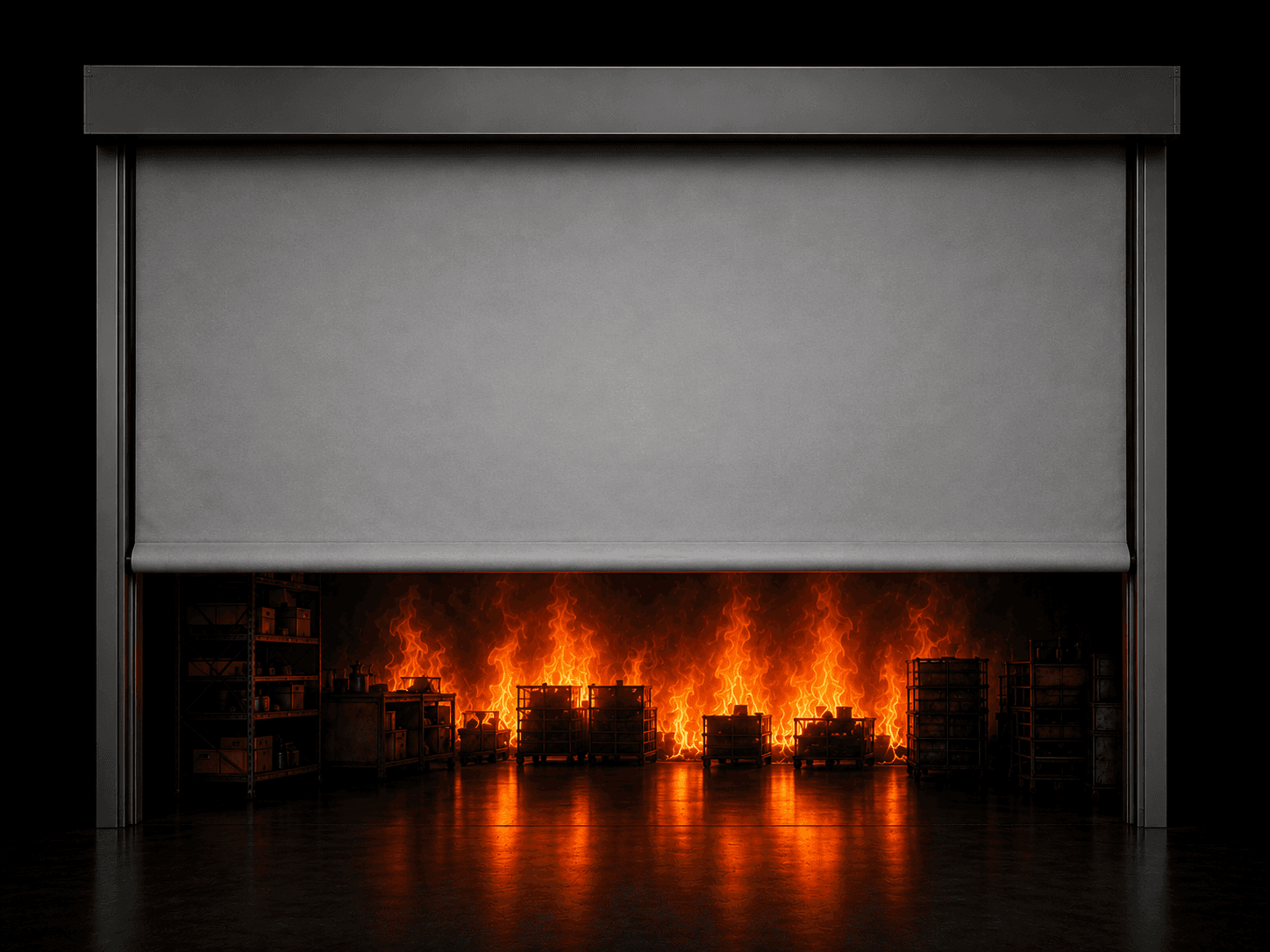
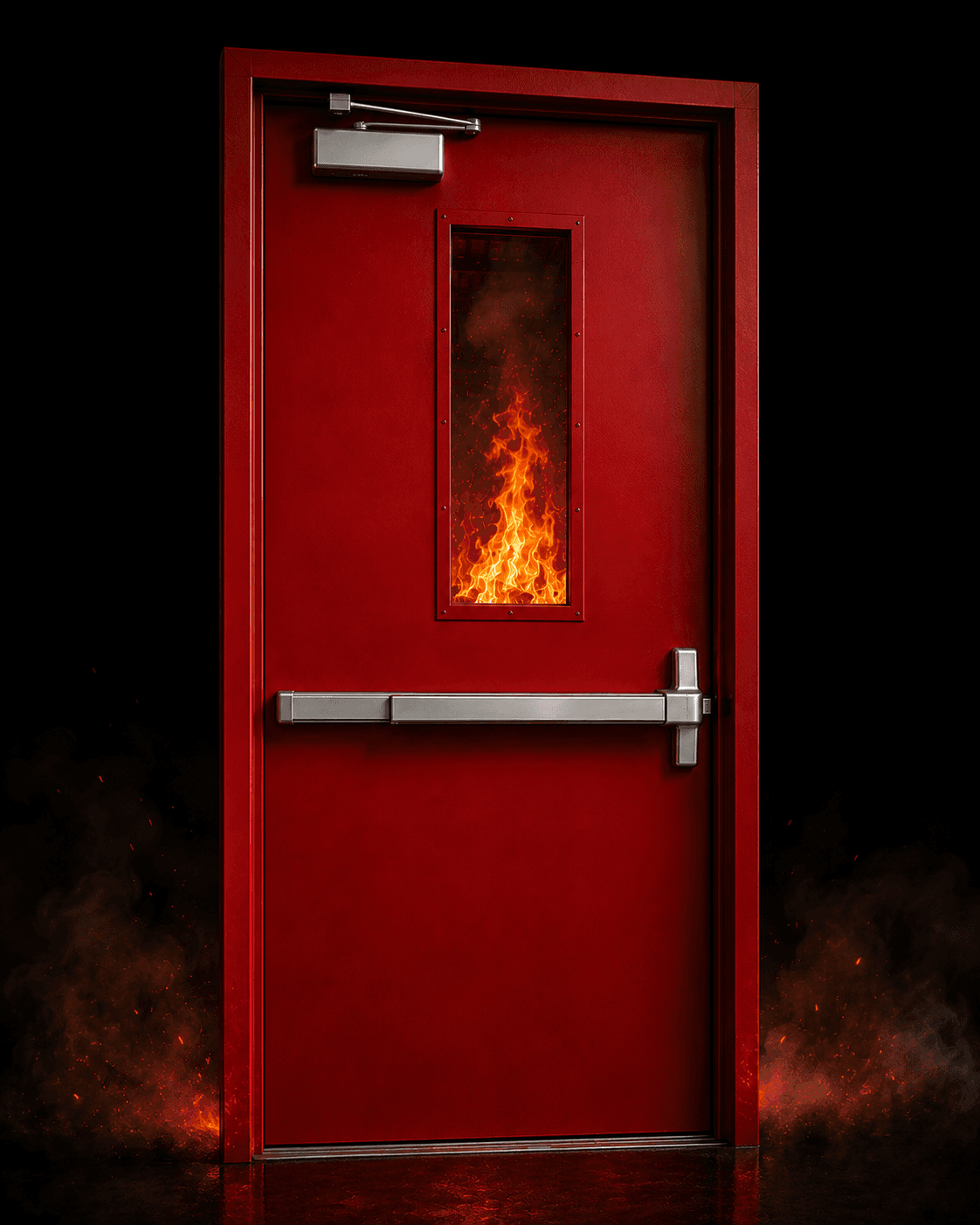
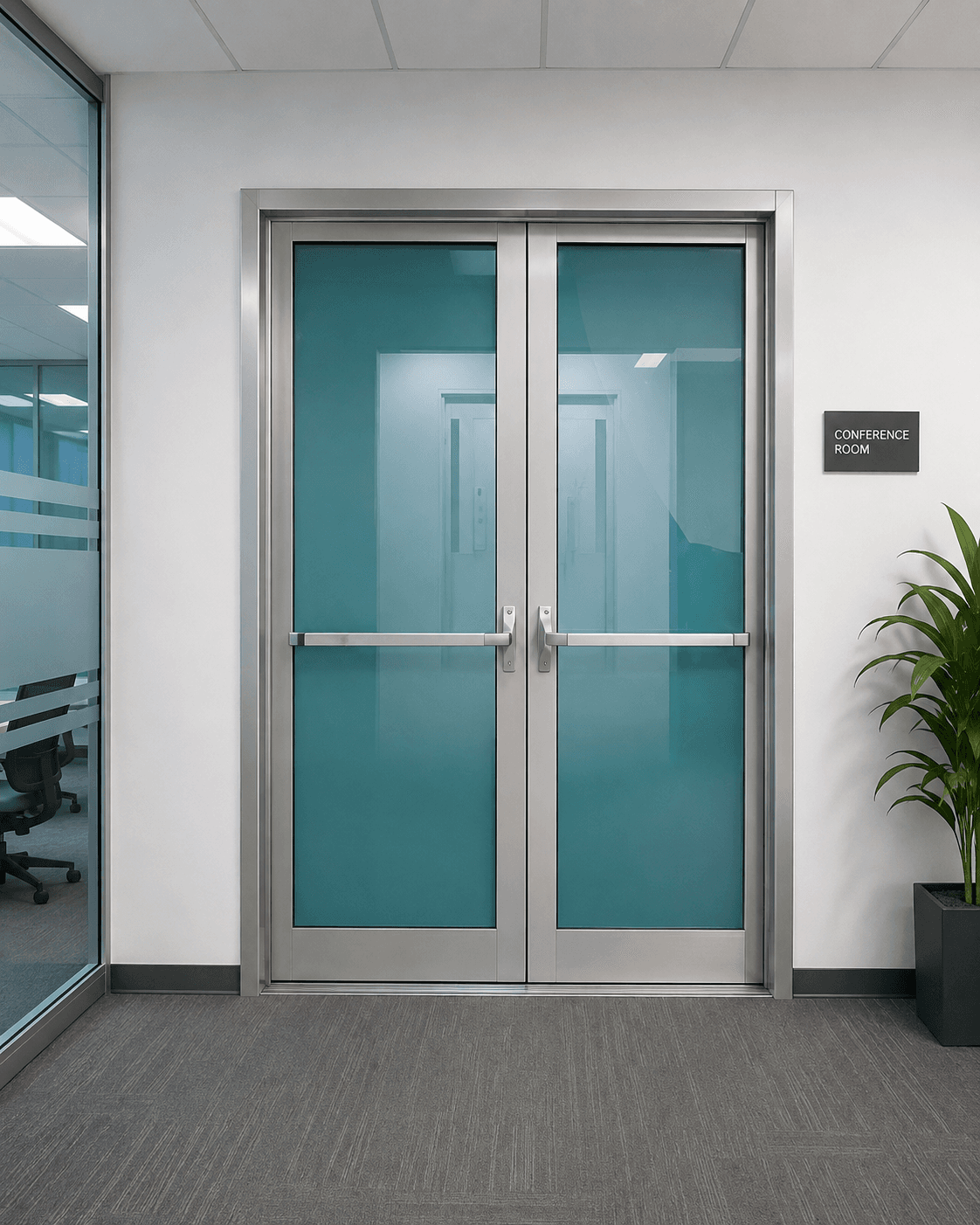
As an EU member state, Spain applies the same harmonised product and test standards as the rest of the bloc: EN 16034 as the harmonised product standard for fire-resisting doorsets (paired with EN 13241 for industrial and commercial doors, shutters and fire curtains), EN 1634-1 for fire resistance testing, and EN 13501-2 for the resulting classification - expressed in the standard EI notation (EI 30, EI 60, EI 90, EI 120) that DB-SI's own tables reference directly. This means a fire door or fire curtain tested and classified under the EN 13501-2 system can be specified in Spain exactly as it would be specified in the UK or elsewhere in the EU, with the DB-SI table simply setting the required EI period for the specific compartment or location in question, rather than introducing a separate national classification notation of its own.
Practical Specification for Spanish Projects
- -Establish the building's use classification and the applicable DB-SI compartmentation table before specifying door and curtain ratings - the required EI period depends on use, height and specific location (escape route, plant room, compartment wall).
- -Specify products with EN 1634-1 test evidence and EN 13501-2 classification - this is the same evidence base DB-SI's tables are written against, with no separate Spanish notation to reconcile.
- -For fire curtains at atria and large openings, confirm the applicable EN 1634-1 / EN 13501-2 rating from the DB-SI compartmentation strategy for that specific opening, rather than applying a generic assumption.
- -CE marking under EN 16034 is mandatory for fire-resisting doorsets, fire shutters and fire curtains placed on the market in Spain as an EU member state - confirm the CE declaration of performance matches the exact product configuration specified.
BÖLDT fire doors and fire curtains are tested to EN 1634-1 and classified to EN 13501-2. Marking and DoP for a specific configuration are available on request, and our technical team can map any specified EI rating to the relevant DB-SI compartmentation requirement for a Spanish project.