8 January 2026
Fire Ratings Explained - 30, 60, 90, 120 and 240 Minutes
A fire rating is not a single number - it's a combination of criteria and a duration. Here's how to read ratings like 'EI 120' and match them to the right building element.
Fire ratings appear on drawings, datasheets and certificates throughout a building's design and construction documentation, almost always expressed as a number of minutes - 30, 60, 90, 120, or for BÖLDT's fire curtains, up to 240. It is tempting to read these numbers as a simple measure of 'how long something resists fire', but the number is only half the specification. The other half is which performance criteria the rating applies to - and getting this wrong is one of the most common specification errors in passive fire protection.
What the Minutes Actually Measure
Every fire rating is the result of a standardised furnace test under EN 1634-1, in which a sample is exposed to a defined time-temperature curve. The 'minutes' figure is the duration for which the sample continued to meet the relevant performance criteria before failing one of them. A door that achieves 'E 120' maintained integrity for 120 minutes - but the test may have recorded an insulation failure much earlier, which would not appear in the headline 'E 120' figure unless insulation was also reported.
Integrity (E), Insulation (I), Radiation (W) and Stability
Integrity (E) means no flames, hot gases or smoke pass through the assembly. Insulation (I) means the unexposed face does not exceed a defined temperature rise, protecting people and materials on the other side from heat transfer through the barrier itself. Radiation (W) measures radiant heat emitted from the unexposed face - relevant even where full insulation isn't achieved, because radiant heat alone can ignite nearby combustibles or injure people at close range. Stability, sometimes denoted 'R', refers to the structural load-bearing capacity of an element - most relevant to structural members and load-bearing walls rather than door and curtain assemblies, which are typically non-load-bearing.
Reading a Rating Like 'EI 120'
'EI 120' means the assembly achieved both Integrity and Insulation for 120 minutes - a higher bar than 'E 120' alone, which only confirms integrity. This distinction matters most where occupants may remain close to a barrier for an extended period - hospitals and care facilities are the clearest example, which is why insulation-rated (EI) products, not integrity-only (E) products, are typically specified at those boundaries.
Matching Ratings to Building Elements
- -EI 30 / FD30S: flat entrance doors and hotel guest room corridor doors, self-closing.
- -EI 30–60: protected stairway enclosures in typical residential and commercial buildings.
- -EI 60–120: compartment walls between occupancies; industrial fire-separating walls.
- -EI 120: firefighting shafts, pressurised lift lobbies and stairwell entrances, hospital compartment corridor intersections.
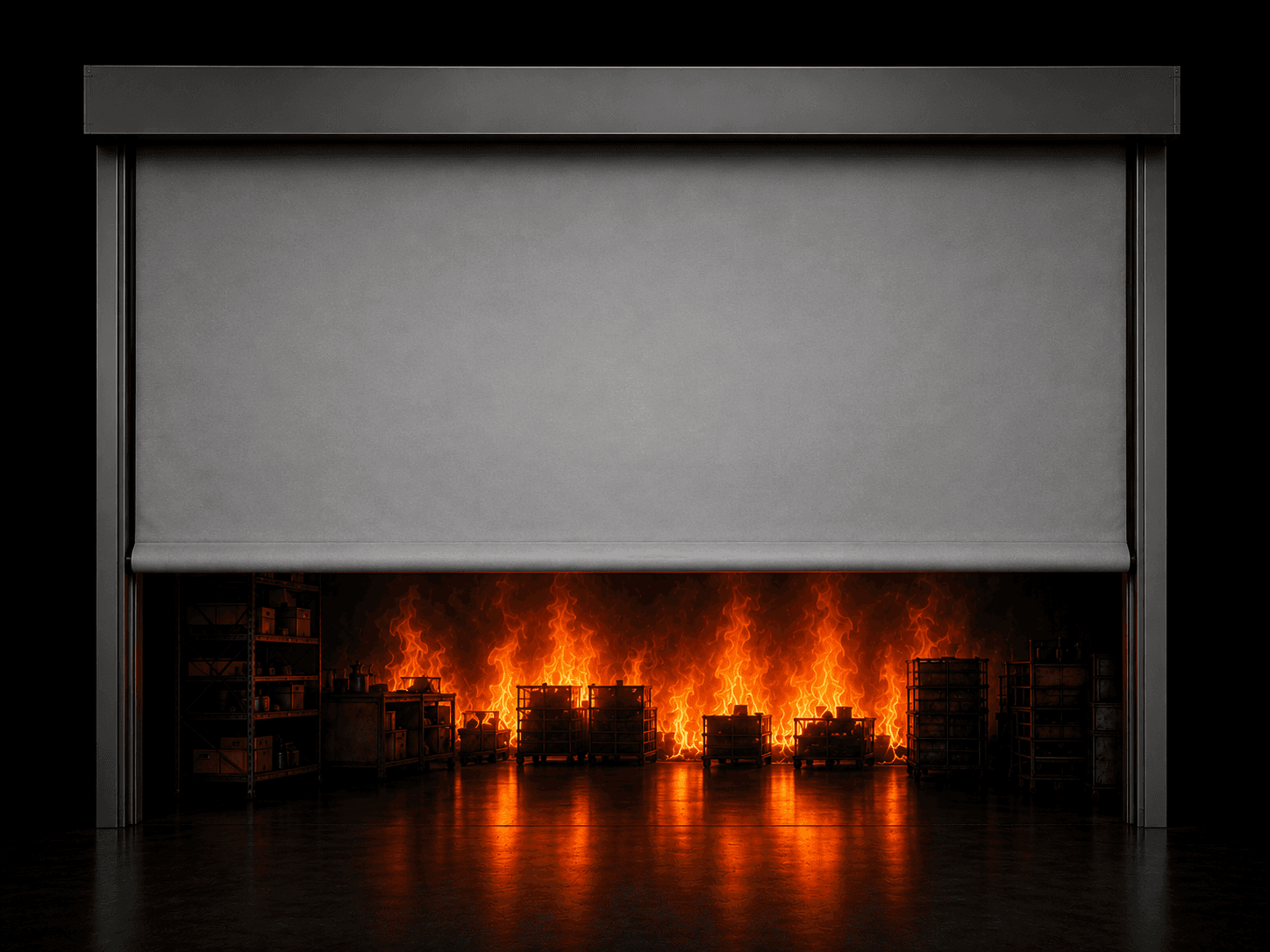
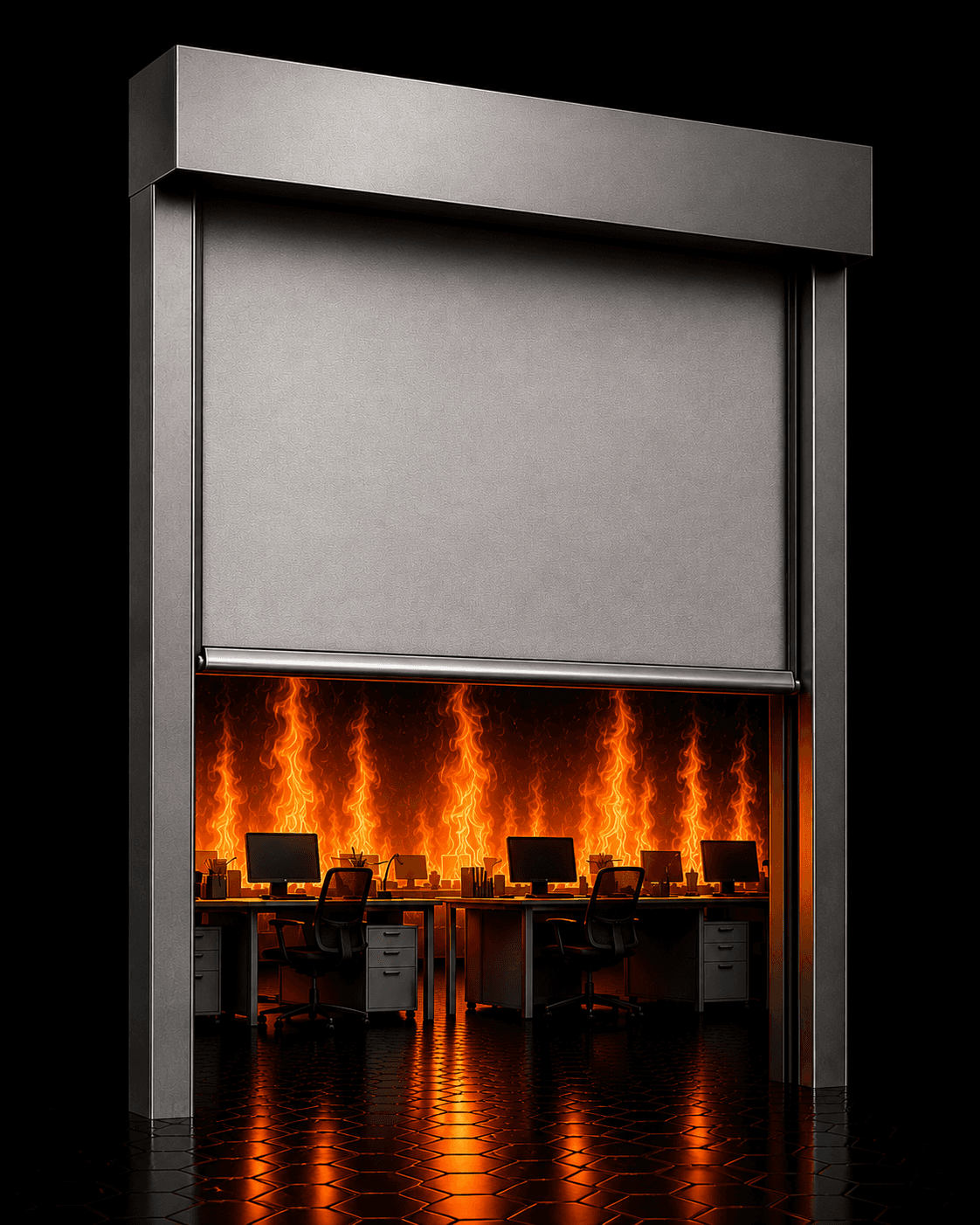
- -Up to E 240 / EW 60: BÖLDT's larger automatic fire curtain models, the maximum rating in the BÖLDT range.
When reviewing a product datasheet, always check which letters precede the number, not just the number itself - and confirm the test standard the rating was achieved under (EN 1634-1 for doors and curtains, or EN 12101-1 for smoke curtains, which use the D classification rather than the E/I/W system).